
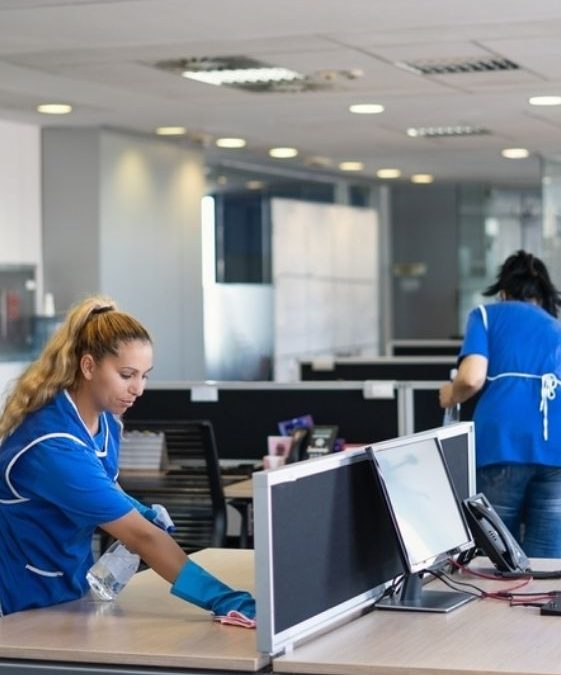
Running a smooth office takes more than great people and good Wi-Fi. The space itself has to work for you every day. That’s where the “DIY vs. hire it out” decision shows up fast. Should your team wipe, vacuum, and restock independently, or is it smarter to call in professional cleaners? Below is a clear, practical guide from GDL Building Maintenance in Santa Rosa, CA to help you see the difference, avoid hidden costs, and build a plan that keeps your workplace clean, healthy, and productive.
Why Your Business Needs Professional Cleaning Services?
If you only read one section, make it this one:
- DIY cleaning looks cheap at first, but those cleaning duties pull your team off real work, and regular cleaning gets skipped—so health, safety, and cleanliness slip.
- A professional cleaning company delivering professional cleaning services gives you a room-by-room plan, a predictable schedule, trained people, and the right products for every surface.
- The payoff: everyday cleanliness, fewer distractions, stronger first impressions, and no more “when did we last deep-clean this?” fire drills.
Bottom line: why your business needs a janitorial service isn’t just about shiny floors—it’s about saving time, protecting health, and giving your team a space that supports their best work through consistent regular cleaning.
DIY Office Cleaning: Where It Works and Where It Falls Short
Where DIY works
- Small teams with very low foot traffic
- Simple tasks: wiping your own desk, tidying shared tables, washing cups
- One-off spills and quick touch-ups
- Restrooms (sanitizing needs, supply tracking, and odor control)
- Breakrooms and shared kitchens (grease, cross-contamination, fridges)
Floors (carpet extraction, grout lines, high-traffic scuffs) - High-touch points (doorknobs, light switches, elevator buttons)
- Scheduled deep cleans (vents, blinds, upholstery, tile and grout, hard floors)
DIY is fine for daily personal tidiness, but it rarely scales. You end up with random chores, inconsistent standards, and no clear owner.
What Janitorial Services Actually Cover
A good janitorial services plan has three layers: daily, weekly, and periodic. Here’s a simple matrix to make it real.
| Area | Daily | Weekly | Periodic |
|---|---|---|---|
| Reception & Hallways | Trash, vacuum/mop, fingerprints on glass | Dusting, baseboards | Machine-scrub hard floors; polish |
| Workstations & Conference Rooms | Trash, wipe tables, spot vacuum | Disinfect high-touch points | Upholstery cleaning; blinds/vents |
| Restrooms | Disinfect fixtures, restock, mop | Scale/soap scum removal | Machine-scrub grout; odor control treatments |
| Breakroom/Kitchen | Surfaces & sinks, appliance exteriors | Fridge purge/light interior clean | Degrease, detail clean, hood/vent (as applicable) |
| Specialty Floors | — | — | Carpet extraction; strip & refinish VCT; stone care |
Day Porter vs. Night Crew: Which One Fits Your Office?
Day porter (during business hours). A day porter is your on-site partner for visible customer care. They handle each cleaning task in real time—tidying lobbies and hallways, restocking restrooms and kitchens, and taking care of spills, fingerprints, and delivery messes before they become distractions. This frontline support keeps high-traffic spaces like shared offices, medical or retail suites, and buildings with frequent visitors looking welcoming all day, adapting to your unique needs as they arise.
Night crew (after hours). The night crew focuses on deeper work without interrupting your team. When the office is empty, they vacuum and mop large areas efficiently, disinfect high-touch points, and detail rooms so everything is show-ready by morning. This is the backbone of regular maintenance, ensuring that dirt, dust, and wear don’t build up over time and that each cleaning task is completed thoroughly and consistently.
Best of both worlds. Many offices combine a light daytime porter for touch-ups with a thorough night crew for heavy lifting. This mix gives you real-time customer care during the day and dependable regular maintenance at night—customized to your unique needs, usage patterns, and budget.
Health, Safety, Hygiene, and Indoor Air Quality: Reasons It Matters
A clean office isn’t just about looks. Dust, dirty filters, sticky counters, and old carpets can affect how people feel and focus. Regular, professional commercial cleaning helps with:
- Fewer germs on high-touch points (think door handles, shared keyboards, coffee machines)
- Better indoor air quality from steady dusting, HEPA vacuuming, and proper floor care
- Slip, trip, and fall prevention thanks to dry floors, clutter control, and mats that actually get cleaned
- Less sick-day chaos when shared spaces stay sanitized and stocked
When the basics are done right, people notice: fewer odors, fewer complaints, and a space that feels calm and cared for.
Compliance and Risk Reduction Without The Stress
Compliance isn’t just paperwork; it’s a calm, clean environment that keeps people safe and supports productivity. Our approach to cleaning pairs everyday habits with simple safety steps so you stay ahead of problems instead of reacting to them.
Restrooms set the tone for health. Consistent sanitation reduces odors, cuts hygiene risks, and keeps supplies stocked so your team and visitors feel comfortable. With quality cleaning services, these basics happen on schedule and to a clear standard.
Shared kitchens and breakrooms need extra attention to prevent cross-contamination. Wiping food-contact surfaces, cleaning appliances, and managing the fridge keeps germs in check. A thoughtful approach to cleaning—like using dedicated tools for food areas—helps everyone stay healthy.
Clutter-free storage areas and clear walkways prevent slips, trips, and falls. Simple steps—like mat care at entrances, tidy cords, and quick spill response—protect people and keep the workday moving. Fewer accidents mean fewer interruptions and better productivity.
Chemicals should work for you, not against you. Trained janitors select the right product for each surface and use proper dilution and labeling. That protects finishes, reduces fumes, and keeps your team safe while still delivering quality cleaning services.
Good records prove good work. Checklists and logs show what was cleaned, when, and by whom—useful for property managers and building audits, and helpful when you want to tweak the schedule.
This isn’t extra—it’s everyday protection for your team and your business. A steady, professional approach to cleaning creates a clean environment that lowers risk and boosts productivity without adding stress.
Green Cleaning and Sustainability
You don’t need to choose between quality cleaning and eco-friendly practices. Modern professional cleaning company programs:
- Use low-VOC products that are safer for people and surfaces
- Rely on microfiber and HEPA filtration to trap dust and allergens
- Reduce waste with measured chemical dispensing and reusable tools
- Support broader building certifications and sustainability goals
It’s cleaner for your office and kinder to the environment, which many teams appreciate.
DIY or Pro? What to Tackle Yourself, and What to Hand Off
- Tidy your own desk
- Rinse mugs and wipe small spills
- Return shared items (markers, remotes, cables)
- Reset a conference room after your meeting
Outsource (needs training/equipment/time):
- Restrooms and breakrooms (daily)
- Floors (vacuuming, mopping, polishing, extraction)
- Trash and recycling (all zones)
- High-touch disinfection (scheduled)
- Windows, blinds, vents, and upholstery (periodic)
- Specialty floors (stone, VCT, luxury vinyl, sealed concrete)
This split keeps your team empowered without making them the cleaning crew.
How To Choose The Right Specialized Cleaning Company
- Scope clarity: Is there a written, room-by-room checklist?
- Frequency plan: Daily, weekly, and periodic tasks spelled out
- People & training: Are staff vetted and trained on safety and surfaces?
- Supplies & equipment: Who provides what? Are products low-odor/low-VOC? HEPA vacuums?
- Quality control: How are inspections done? What happens when something’s missed?
- Communication: One point of contact? Same-day response to issues?
- Flexibility: Can you scale up during busy seasons or events?
- Insurance & safety: Proof of coverage and safety protocols on request
- Pricing format: Flat monthly? Any add-on rates explained up front?
- References: Local businesses with similar size and use
Bring this list to your walk-through. You’ll spot pros fast.
Conclusion: Professional Care, Measurable Benefits
A consistent plan for daily janitorial work—backed by specialized cleaning services when you need them—helps you keep a steady standard of cleanliness, protect health, and support employee well-being. The benefits go beyond shiny floors: fewer distractions, safer spaces, and a workplace that feels organized and professional.
At GDL Building Maintenance in Santa Rosa, CA, we tailor our approach to cleaning to your layout, foot traffic, and budget. From regular maintenance to targeted projects, our goal is simple: predictable results and real customer satisfaction.
If you’d like a clear next step, share a few details about your space. We’ll outline a practical plan, daily janitorial, day porter support, and periodic deep cleans—so you can keep your office running smoothly with the right level of care.